
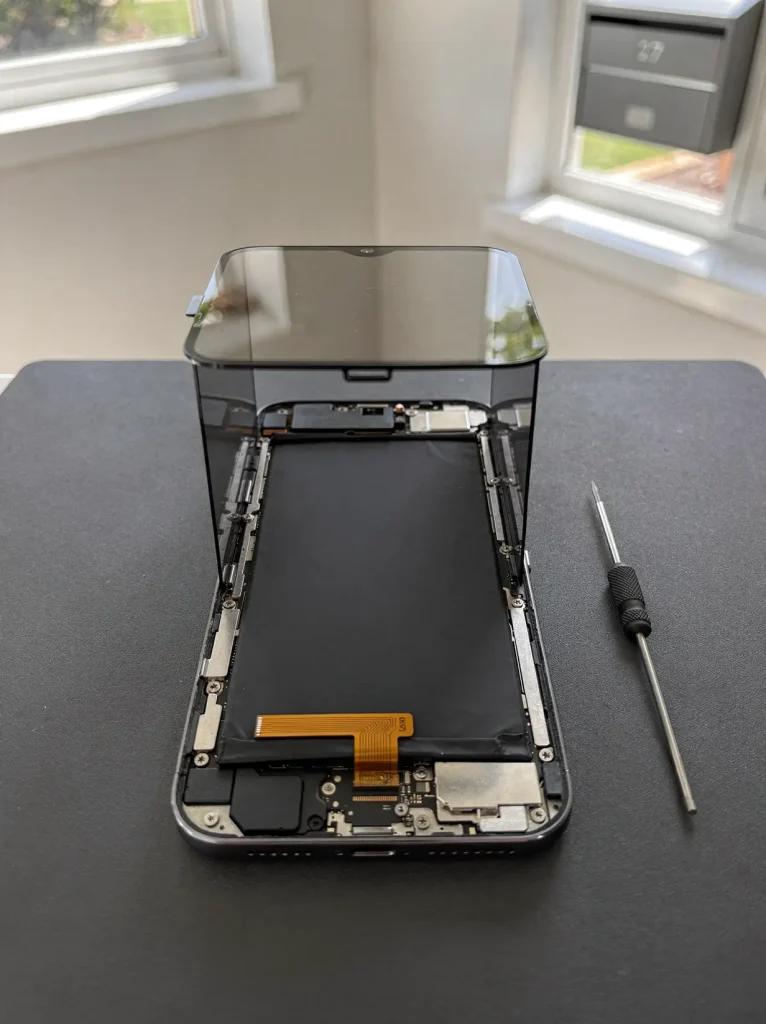
The screen shatters on the driveway, or the battery dies by lunchtime, and the first thought is usually the same: maybe it’s time for a new phone. That reaction feels logical in the moment, but it skips over an important truth – most common faults are far more fixable than people assume. Professional mobile phone repairs often restore a device for a fraction of what a replacement costs, which changes the whole calculation. Before you tap ‘buy now’, it’s worth running through a few simple factors that reveal whether fixing or upgrading is genuinely the smarter move.
Prefer to watch or listen?
Listen onApple Podcasts
The True Cost of Upgrading vs Fixing
A new phone’s sticker price is only part of the story. Once you factor in everything that comes with switching devices, the gap between repairing and replacing usually widens.
- Transferring photos, messages and app data – and the time it takes to get it right
- Setting up accounts, re-downloading apps and re-entering logins
- Replacing cases, screen protectors, chargers and other accessories that no longer fit
- New contract terms or plan changes that lock you in longer
- The learning curve of a different layout or operating system
A repair, by contrast, usually returns your existing phone in working order with your setup untouched. For many Perth owners, that convenience alone tips the balance toward fixing.
Fault-by-Fault Viability
Not every problem carries the same weight. Some are quick, contained fixes that leave the rest of the phone perfectly sound.
Cracked screens are among the most common faults and are usually well worth repairing, especially when the phone is otherwise healthy. A crack rarely means the device is damaged beyond the glass itself.
Worn batteries are another strong candidate. A phone that once lasted all day but now struggles past mid-afternoon often just needs a fresh battery rather than a full replacement device.
Charging ports that have gone loose or stopped responding are frequently repairable too. These faults tend to build up from dust, lint and daily wear rather than a failure of the whole phone.
When a single, well-understood fault is holding your phone back, repair is usually the sensible default.
The Device-Age and Value Calculation
How long your phone has left in it shapes the whole decision. A device only a year or two old has plenty of useful life ahead, so investing in a repair pays off over months of continued use. An older phone nearing the end of its software support has less runway, which affects how much a repair is worth to you.
A helpful way to think about it: weigh the repair against what your phone is genuinely worth to you day to day. If a straightforward fix restores a device you’re otherwise happy with, and that phone still does everything you need, spending on the repair almost always beats the total cost of upgrading.
When Upgrading Genuinely Makes More Sense
Repair isn’t always the answer, and it’s fair to acknowledge when replacement is the better call. Upgrading tends to make more sense when:
- The phone has multiple serious faults at once – a smashed screen, a failing battery and water damage together
- The device no longer receives security or software updates and can’t run the apps you rely on
- Its performance falls short of what you now need, regardless of the current fault
- The phone is already old enough that further problems are likely soon after a repair
In these cases, a repair might buy time rather than solve the underlying problem, and putting money toward a newer device is reasonable.
The Practical and Environmental Payoff of Keeping a Phone Longer
Every phone kept running is one that stays out of landfill. Manufacturing a new device carries a significant environmental footprint, from raw materials to shipping. Extending the life of a working phone through a targeted repair reduces waste and makes better use of what you already own.
There’s a practical upside too. A phone you know well, set up exactly the way you like it, is worth keeping when a simple fix can bring it back to full working order.
Signs Your Phone Is Worth Saving
Some phones look worse than they are. A device that won’t turn on, or one that’s taken a splash, can seem beyond hope but still be recoverable. Water exposure, for instance, doesn’t always mean permanent failure – outcomes depend heavily on how quickly the phone is assessed rather than left to corrode.
If your phone was performing well before the fault, if the damage is limited to one area, and if the device is still reasonably current, those are all strong signs it’s worth having looked at before you write it off. A quick professional assessment often reveals that a phone assumed to be ‘gone’ is very much fixable.
Once you’ve decided a repair is the right path, a little groundwork beforehand makes everything smoother and faster. Knowing how to protect your data and get your phone ready ahead of a repair visit helps safeguard your information and speeds up the turnaround, so you’re back up and running with as little disruption as possible.